

Commercial window tinting offers a variety of benefits including energy savings by reducing heat gain, protection from harmful UV rays that can damage furniture and equipment, glare reduction to improve employee comfort, enhanced privacy for sensitive areas, aesthetic improvement to boost the professional look of your business, and a positive impact on employee productivity by creating a more comfortable work environment.
There are three primary types of window tints commonly used in commercial buildings:
Commercial tint films can be used in various ways, such as for solar control to reduce heat and glare, decorative purposes to enhance interior design or display branding, privacy in conference rooms or offices, and security to protect against break-ins or enhance glass safety during natural disasters.
Yes, commercial window tinting can be customized with colors, logos, and patterns that align with your business’s branding. Decorative films are a popular choice for this, as they allow for creative designs that can be both functional and aesthetically pleasing.
Window tinting significantly enhances energy efficiency by reducing the amount of heat entering a building. In Houston’s hot climate, this means less strain on your HVAC system and lower energy bills, as the need for air conditioning is reduced.
Commercial window films are engineered to reduce glare, heat, and UV exposure while maintaining a comfortable level of natural light in the room. Many modern commercial films are designed to be nearly transparent, offering these benefits without noticeably darkening the workspace. This makes them ideal for environments where maintaining natural light is important, such as offices, retail spaces, and educational facilities.
However, if a darker tint is preferred for privacy or aesthetic reasons, there are options available that can significantly reduce the amount of light entering the room. These darker films can create a more subdued ambiance, which might be suitable for certain settings like conference rooms or areas where screen visibility is critical.
Overall, the choice of film will depend on your specific needs for light control, energy efficiency, and the desired atmosphere of your working environment.
Commercial window films are engineered to reduce glare, heat, and UV exposure while maintaining a comfortable level of natural light in the room. Many modern commercial films are designed to be nearly transparent, offering these benefits without noticeably darkening the workspace. This makes them ideal for environments where maintaining natural light is important, such as offices, retail spaces, and educational facilities.
However, if a darker tint is preferred for privacy or aesthetic reasons, there are options available that can significantly reduce the amount of light entering the room. These darker films can create a more subdued ambiance, which might be suitable for certain settings like conference rooms or areas where screen visibility is critical.
Overall, the choice of film will depend on your specific needs for light control, energy efficiency, and the desired atmosphere of your working environment.
Yes, commercial window films are highly effective in reducing glare, which can improve screen visibility and reduce eye strain for employees working on computers.
While commercial window films are not primarily designed for soundproofing, they can offer some reduction in noise levels, making the interior environment quieter and more conducive to work.
The installation process for commercial window tinting is typically straightforward and quick, with most projects being completed within a few hours to a couple of days, depending on the size of the building. Installations can often be scheduled after business hours to minimize disruption.
Most window tint films are installed on the interior side of the glass. This installation method offers several advantages:
Protection from the Elements: By placing the film on the interior, it is shielded from harsh weather conditions, such as rain, wind, and extreme temperatures. This helps prevent damage, peeling, or fading, ensuring the film remains effective and visually appealing for a longer period.
Extended Lifespan: Interior installation generally leads to a longer lifespan for the window film. Exposure to external elements, such as UV rays, moisture, and dirt, can degrade the film over time if it were installed on the exterior. Installing it inside significantly reduces this wear and tear.
Easier Maintenance: Window films installed on the interior are easier to clean and maintain. You can clean the windows and the film without worrying about damaging the film or the adhesive.
Enhanced Security: Installing window film on the interior side also provides an additional layer of security. In the event of a break-in or accidental glass breakage, the film helps hold the glass shards together, reducing the risk of injury and making it more difficult for intruders to gain access.
The installation process is generally quiet and clean, with installers taking care to minimize disruption and maintain a tidy workspace.
Window tint typically takes about 24 to 72 hours to fully dry and cure, depending on weather conditions. It’s recommended to avoid cleaning or disturbing the windows during this period.
Proper cleaning of window tint film is essential to maintain its clarity, appearance, and longevity. Here’s a step-by-step guide on how to clean your tinted windows effectively:
If the tint film gets damaged, it can usually be repaired or replaced. Most providers offer warranties that cover defects or damage under certain conditions.
To learn more about how commercial window tinting can benefit your business in Houston,
It’s important to ensure that your window tinting complies with local building codes and regulations. Professional installers will typically be familiar with these requirements and can guide you through the process.
To learn more about how commercial window tinting can benefit your business in Houston,
The cost of commercial window tinting varies depending on the size of the area to be covered, the type of film selected, and the complexity of the installation. A detailed quote can be provided by the installer.
Most commercial window tints come with a warranty that can range from 5 to 15 years, depending on the film type and manufacturer. The lifespan of the film is typically around 10 to 20 years with proper care.
There may be local, state, or federal tax incentives or rebates available for businesses that install energy-efficient window tinting. It’s advisable to check with local authorities or your installer.
Yes, installing energy-efficient window films can contribute to earning LEED (Leadership in Energy and Environmental Design) certification by improving the building’s energy efficiency and environmental impact.
High-quality commercial window films should meet industry standards such as ASTM (American Society for Testing and Materials) and ISO (International Organization for Standardization) certifications for performance, safety, and quality.
In some cases, window tinting can lower insurance premiums by increasing building security and reducing the risk of damage. It’s worth discussing with your insurance provider.
The ROI for commercial window tinting is generally positive, with many businesses recouping their investment within a few years through energy savings and increased property value.
Window tinting can be designed to allow visibility from the inside while reducing visibility from the outside, enhancing privacy without sacrificing the view. Some films also offer one-way visibility options.
Certain types of window film offer enhanced privacy even at night, although complete nighttime privacy may require additional solutions such as blinds or curtains.
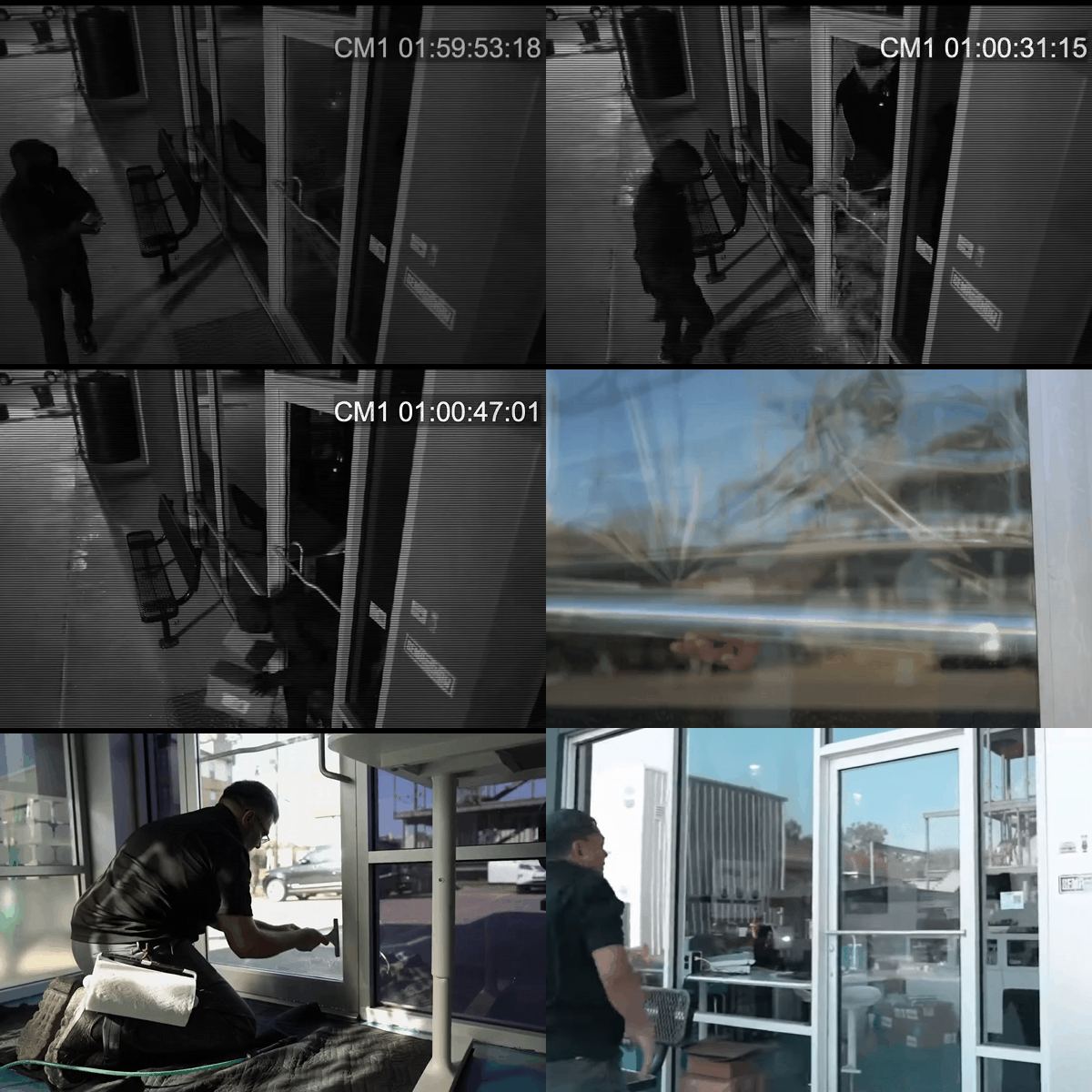
Security window films can make glass more resistant to breakage, deterring break-ins and protecting against natural disasters. These films hold the glass together even when shattered, reducing the risk of injury.
Yes, some commercial window films are designed to provide additional protection against natural disasters like hurricanes by strengthening the glass and preventing shattering.
Window tinting can enhance the resale value of a property by improving energy efficiency, aesthetics, and security, making it more attractive to potential buyers.
Yes, commercial window films are available in a range of colors and shades to match your business’s aesthetic preferences and branding.
Yes, there are a few potential downsides to window tinting that you should be aware of:
Quality window films installed by experienced professionals are unlikely to bubble. However, bubbling can occur if the installation process is not done correctly or if low-quality materials are used. To avoid this issue, it’s crucial to select a reputable installer who uses high-grade films and follows proper installation techniques.
High-quality films are designed to resist discoloration, including turning purple, which was a common issue with older films. Modern films are UV-stable and maintain their color over time.
When properly installed, window tinting should not cause glass to crack. However, in rare cases, if the glass is already damaged or defective, the added stress from the film could potentially lead to cracking.
Yes, window tinting can be removed or replaced if needed, though the process should be handled by professionals to avoid damaging the glass.
Yes, we offer customer satisfaction guarantees to ensure that our commercial window tinting services meet your expectations. If any issues arise, we are committed to taking corrective measures to address them promptly. Our commitment to quality is reflected in our positive Google reviews from satisfied customers who have experienced our professional installations and excellent service.